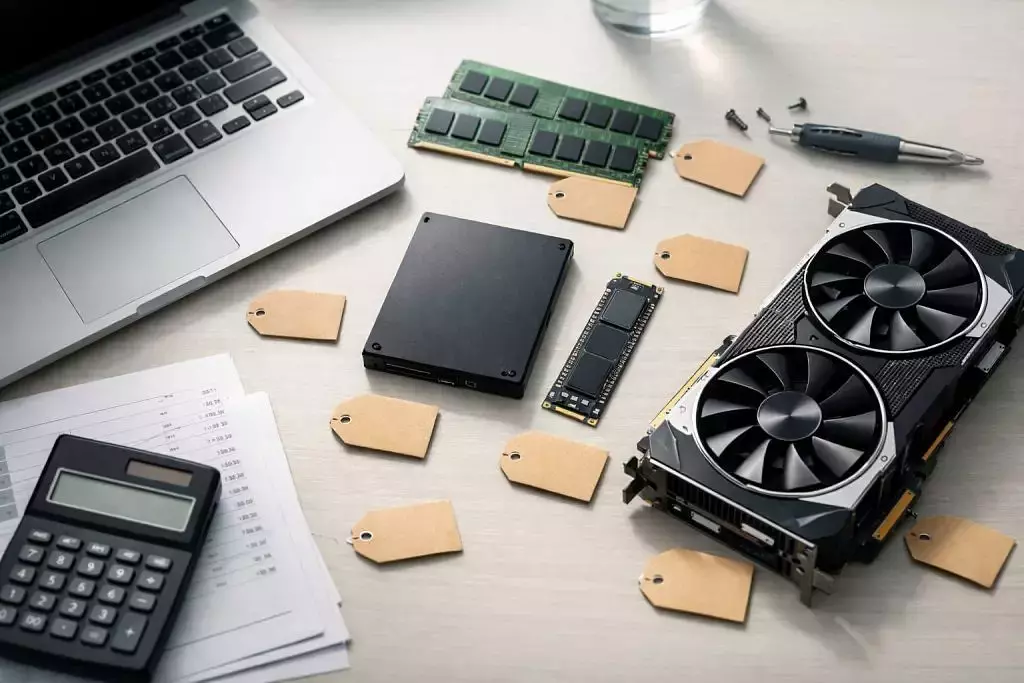
The AI Effect on Hardware
AI isn’t just reshaping the workforce, cybersecurity, and everyday life. It is now transforming the hardware market, too. If you’ve been shopping for new hardware lately, you’ve probably noticed prices have jumped significantly.
Hardware isn’t getting more expensive by accident. As AI companies race to build and expand data centers (facilities packed with servers that run cloud services 24/7), they’re consuming enormous amounts of high-performance memory and storage. This surge in demand is pulling supply away from organizations and reshaping what manufacturers prioritize. When more supply is redirected upstream to support data center demand, fewer components reach the market, tightening inventory and pushing prices higher.
Ultimately, as OpenAI, Microsoft, and Google scale aggressively, AI infrastructure has become the most profitable market for chips and memory, and prices are rising as a result.
Prices Are Jumping, Fast
Hardware pricing is now moving so quickly that changes can happen in days, rather than in months. Manufacturers such as Dell, Lenovo, and HP have already implemented, or are expected to implement, price increases in the 15% to 25% range. Organizations are encouraged to make their purchasing decisions quickly, as pricing cannot be guaranteed for much longer than a few days.
Networking gear and servers are also seeing price increases, often 15% or more, along with limited availability due to tariffs and ongoing component constraints.
Why Availability Is Getting Worse
This shift is not just impacting pricing but is also stretching lead times. As manufacturers juggle production constraints and changing priorities, some chip lead times have reportedly jumped by as much as 43%. At the same time, many manufacturers are putting more capacity into higher-margin, premium products, which is reducing the availability of laptops, servers, and components.
The result is making hardware purchasing far less predictable. Pricing can shift quickly, manufacturer quotes are often only valid for a short window, and inventory is moving fast, while availability for standard business PCs tightens as more production is redirected to AI data center demand.
The New Reality for Refresh Planning
To manage longer lead times and rising prices, organizations are changing how they buy. Instead of purchasing as needed, they’re ordering in larger batches or placing pre-orders to lock in inventory.
For many organizations, this translates into a higher baseline cost per device compared to last year, less flexibility when it’s time to upgrade, and increased budget pressure for refresh planning or onboarding new staff.
Practical Moves to Reduce Risk
Here are a few practical steps organizations can take now to stay ahead of budgeting pressure and hardware constraints in a volatile market:
- Update budget forecasts: Plan for increase in 2026 hardware costs, especially for infrastructure-related projects. Work with your IT Service Provider to determine what that increase will look like.
- Consolidate purchasing: Combine smaller, fragmented orders into larger bulk purchases to improve leverage, incentives, and overall pricing.
- Stay flexible on specs and brands: Broaden acceptable brands or configurations to take advantage of better availability and more competitive pricing. As outlined previously, working with your service provider will help determine the right alternatives for your needs.
- Extend existing assets where possible: Extend support coverage and refresh timelines may be an acceptable option in certain cases.
- Audit licensing and hardware usage: Review software licenses and hardware inventory to eliminate unused or underused resources and free budget for critical upgrades.
Final Thoughts
AI-driven demand is reshaping the hardware market, and the ripple effects are showing up everywhere in higher prices, tighter supply, and longer lead times. The best way to stay in control is to plan earlier, stay flexible on purchasing, and treat hardware budgeting as a moving target instead of a once-a-year exercise. Organizations that adjust now will be in a far better position to manage refresh cycles and avoid last-minute surprises in 2026.
Build a hardware strategy that holds up under pressure. Speak with our experts from coast to coast today: https://microage.ca/contact-us/
Share